
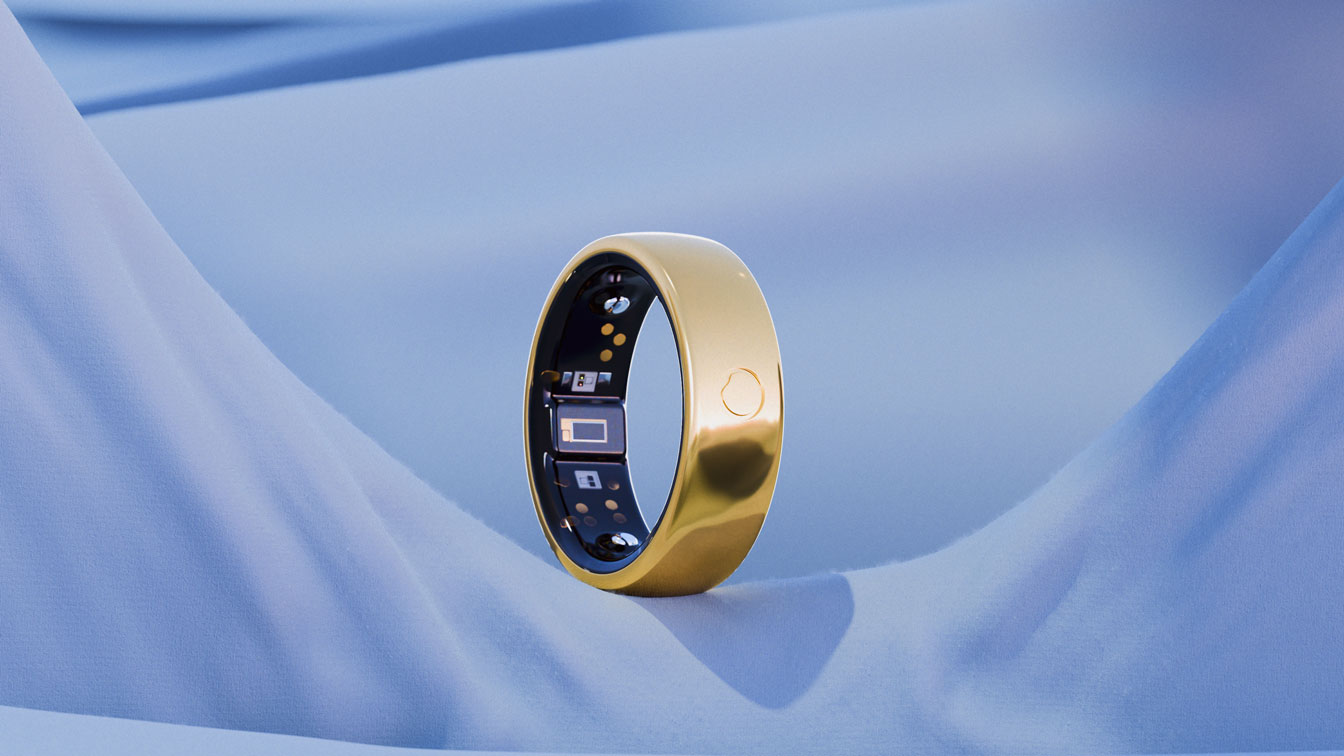
The Circular Ring 2 may be the most cautionary tale in the smart ring market. Priced at $379 and backed by a $4 million Kickstarter campaign, this titanium ring promised to redefine health tracking with FDA-cleared ECG, blood pressure monitoring, and glucose trend analysis – all without a subscription. The reality? A white-labeled Chinese ring from a company now in judicial liquidation, over 500 one-star Trustpilot reviews, and headline features that never materialized.
If you are considering the Circular Ring 2, stop. Buy an Oura Ring 4 or Samsung Galaxy Ring instead.
The Promise vs. the Reality
In March 2025, Circular launched its Ring 2 on Kickstarter with ambitious claims: an FDA-cleared ECG sensor, blood pressure monitoring, blood glucose trend tracking, and 140+ biometric markers – all subscription-free. The campaign raised roughly $4 million from over 13,000 backers, fully funding in just four minutes.
Here is what backers actually received:
Blood pressure monitoring was never delivered. Originally promised as a free stretch goal, it was quietly moved behind a microtransaction paywall called "Circular Coins," then defended by Circular, who clarified that coins could be earned through ring usage – but the fundamental paywall remained. As of January 2026, the feature itself remains unavailable.
Blood glucose tracking was also never delivered. It is now tentatively promised for "late 2026" – from a company that entered judicial liquidation in October 2025.
The no-subscription promise was quietly altered. Circular edited its Kickstarter FAQ after the campaign closed to remove the commitment.
The vibration motor was removed entirely from the Ring 2 hardware without disclosure to backers – a direct regression from the original Ring Slim.
The White-Label Revelation
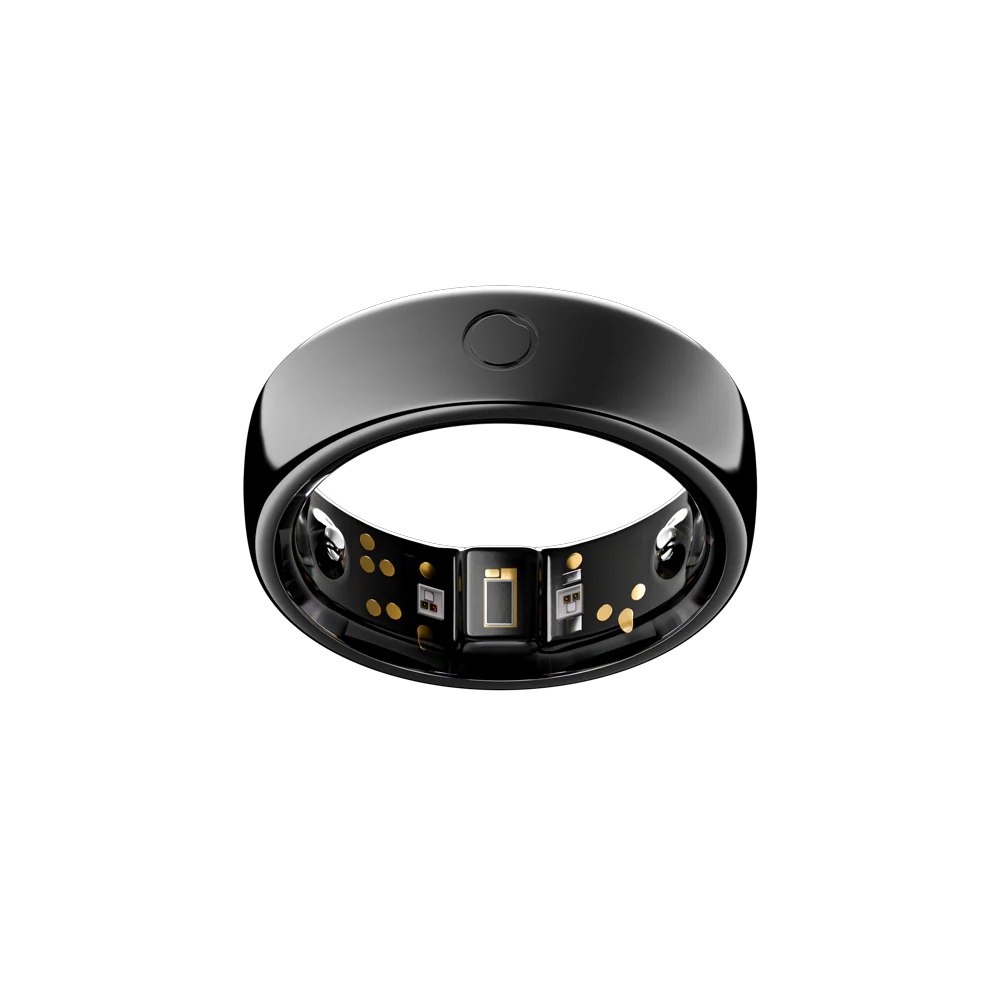
Perhaps the most damning finding: independent investigation by the r/SmartRings community confirmed that the Circular Ring 2 is a white-labeled Linktop Cardio Ring. Researchers matched identical PCB layouts, sensor placement, and FCC filings linking the hardware directly to Linktop, a Chinese OEM manufacturer.
Circular had marketed the Ring 2 as the product of five years of in-house French engineering. The company even claimed to "own Linktop" – a claim verified by multiple sources as false. In reality, Circular etched its logo onto a pre-existing Linktop product and launched a multimillion-dollar campaign to sell it at a significant markup.
Design and Build
Setting the white-label controversy aside, the hardware itself is adequate. The titanium construction with PVD coating feels premium at 2.55 mm thick and 7.8 mm wide – competitive dimensions for the smart ring market. IP68 water resistance rates it for 50 meters, and the wireless clamshell charging case with USB-C is a practical touch that holds three full charges.
Available in Obsidian Black ($379), Silver ($449), Gold ($549), and Rose Gold ($549), the Ring 2 looks the part. But knowing this is the same hardware available from Linktop at a fraction of the price makes the premium finishes feel less like luxury and more like markup.
The digital sizing tool – which uses a smartphone camera to determine ring size – is a genuine innovation that replaces the traditional sizing kit process, though a $5 physical kit remains available as an alternative. It is one of the few things Circular got right.
One notable absence: no vibration motor. The original Ring Slim had haptic feedback for alarms and notifications. The Ring 2 dropped this because the Linktop hardware does not include one.
Battery Life
Circular claims up to eight days of battery life in Power Mode and five days in Performance Mode. Real-world testing lands closer to four to six days for typical use – competitive with other smart rings but not exceptional. The wireless clamshell charging case with USB-C recharges the ring in roughly 30 minutes and holds three full charges, which is convenient for travel. However, the buggy app's sync issues and occasional sensor dropouts mean actual battery performance can vary significantly from day to day.

Health Tracking and Sensors
The Circular Ring 2 packs an ECG sensor with FDA-cleared atrial fibrillation detection, PPG optical heart rate, SpO2 blood oxygen, skin temperature, and a 3-axis accelerometer. On paper, that is an impressive sensor array for a smart ring.
In practice, accuracy is inconsistent. Step counting inflates dramatically – office workers have reported the ring logging 20,000 to 30,000 steps against Apple Watch readings of 8,000 to 10,000. Heart rate tracking functions but lacks the precision of the Oura Ring 4 or Apple Watch. Sleep staging is present but the buggy app undermines confidence in the data.
The ECG is the standout. It genuinely works and carries FDA clearance for AFib detection. If Circular had focused on delivering this core functionality reliably, the Ring 2 might tell a different story.
App Experience
The Circular app is where the Ring 2 falls apart entirely. Frequent crashes, sync failures, and data inconsistencies undermine trust in every metric the ring tracks. Rings regularly disconnect and refuse to re-pair. Some users report their rings simply switching off for hours within the first days of use.
When sensors fail – and multiple users report sensor death within weeks to months – the app offers no useful diagnostic information. With the company in liquidation, app updates have effectively stopped. Whatever bugs exist today will exist permanently. There is no development team working on fixes.
The Company Behind the Ring
Circular's track record should have been a warning sign. The original Circular Ring and the Ring Slim both suffered widespread quality and accuracy issues. Digital Trends gave the Ring Slim a 3 out of 10. The Verge called it the worst of six smart rings tested. The company also settled a patent infringement lawsuit with Oura.
The most critical fact: French business registry records show Circular SAS ceased payments on August 31, 2024 – seven months before the Kickstarter campaign ended on April 14, 2025. The company was placed in judicial reorganization on October 8, 2024, and converted to judicial liquidation on April 1, 2025 (published in the official gazette on October 14, 2025).
Circular raised $4 million from 13,000 backers while the company was already insolvent and under court-supervised reorganization. Whether this constitutes fraud is for legal authorities to determine, but it is a devastating fact for every person who backed this campaign.
Customer service is effectively nonexistent. The company itself acknowledged response times exceeding three weeks. Customers report sending 30 to 40 emails over months with no reply. The CEO and COO have not responded to direct outreach. Refund requests meet delay tactics, expired PayPal claims, and Kickstarter terms-of-service deflections. With judicial liquidation in effect, there is no remaining path to support, warranty claims, or refunds.
On Trustpilot, the company holds a 1.5 out of 5 rating across over 660 reviews, with 76% being one-star. The pattern is consistent: products that malfunction, support that never responds, and refunds that never arrive.
Who Should Buy This
No one. There is no scenario in which the Circular Ring 2 is a reasonable purchase. The company is in liquidation, customer support is gone, app development has stopped, and two of the three headline features were never delivered.
Buy an Oura Ring 4 ($349) for superior accuracy, a polished app, reliable customer support, and a company that is actually operating. Yes, it requires a subscription for premium features, but at least those features exist.
Buy a Samsung Galaxy Ring ($399) for subscription-free smart ring tracking from a company that will still exist next year.
If you want to explore alternatives beyond rings, our best fitness trackers guide covers the full range of options. Budget-conscious buyers should also consider the Ultrahuman Ring Air, which offers subscription-free tracking with a more transparent approach, or the RingConn Gen 2 and Amazfit Helio Ring for capable alternatives at lower price points.
The Verdict
Do Not Buy. The Circular Ring 2 represents one of the worst outcomes in consumer technology: a company that took millions from backers while already insolvent, delivered a white-labeled product with missing headline features, and left 13,000 customers with no support, no refunds, and no recourse.
We are not assigning a traditional score because the usual criteria – hardware quality, feature set, value – are irrelevant when the company behind the product is in judicial liquidation. The titanium hardware functions at a basic level and the FDA-cleared ECG is genuine, but you cannot buy this product with any reasonable expectation of software updates, warranty service, or customer support. There is no one to call when it breaks.
Buy an Oura Ring 4 or Samsung Galaxy Ring instead. Both come from companies that will still exist next year.