
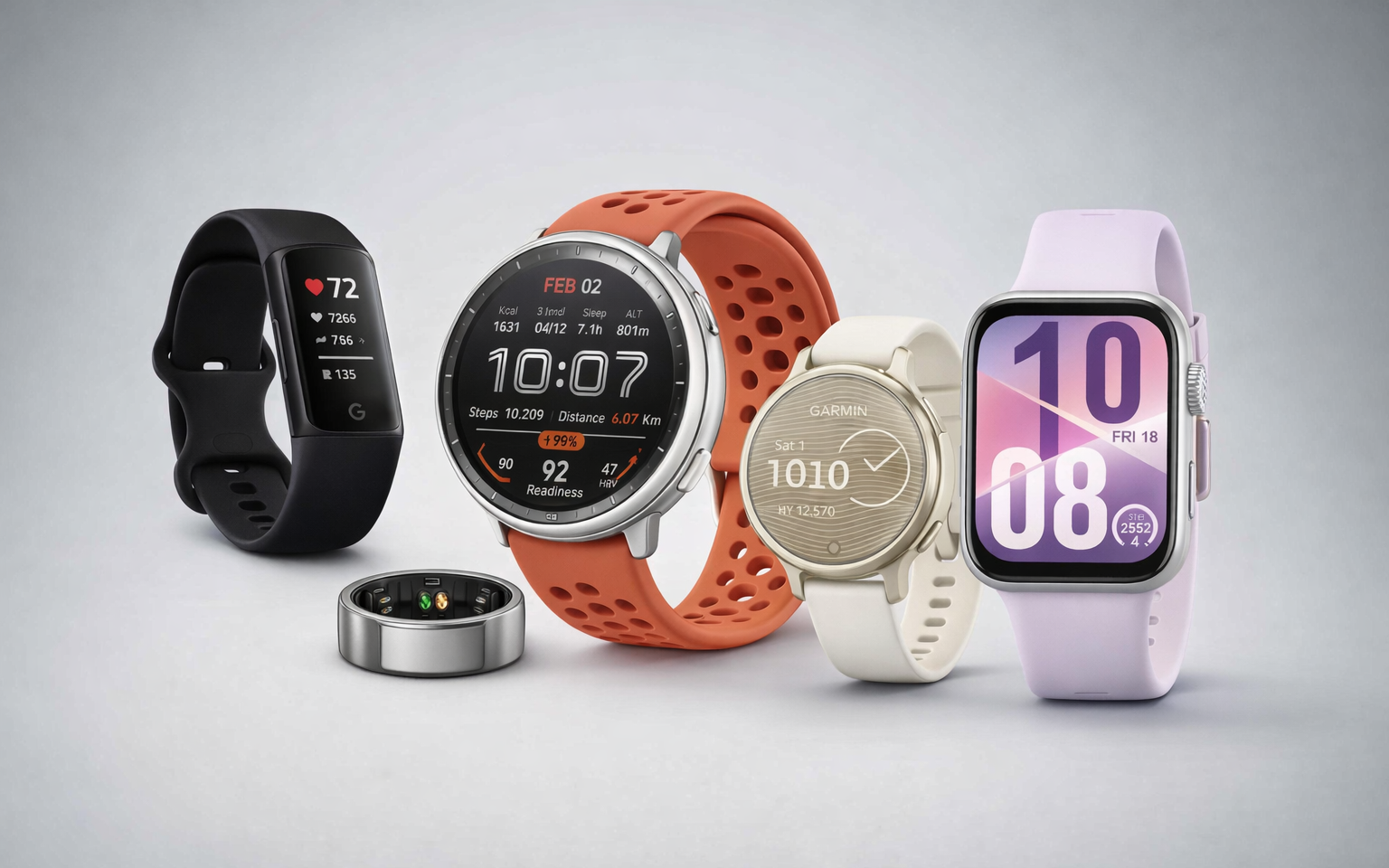
The best fitness tracker for you isn't the one with the most features – it's the one that disappears into your routine. Whether you want a slim band that tracks runs without the bulk of a smartwatch, a ring that monitors sleep while looking like jewelry, or a data-driven coach that optimizes recovery, the right tracker depends on what you'll actually wear every single day.
The fundamental choice comes down to form factor. Bands like the Fitbit Charge 6 sit flush on your wrist and feel purpose-built for fitness. Watches like the Amazfit Active 2 and Huawei Watch Fit 4 add larger displays and navigation features. Rings like the Oura Ring 4 vanish entirely – no screen, no wrist presence, just passive health monitoring. Then there's the subscription question: devices like Whoop 5.0 lock core insights behind recurring fees, while Garmin and Amazfit give you everything upfront.
We compared 15+ trackers across every form factor and price point, from $69 budget bands to $349 premium rings. The picks below represent the best options for different needs, budgets, and lifestyles – not the devices with the longest spec sheets, but the ones that actually deliver on their promises.
Our Top Picks
Fitbit Charge 6 – Best Fitness Band Overall

$159.95 (frequently discounted to ~$100)
The Charge 6 is the best traditional fitness band you can buy, period. The built-in GPS eliminates phone dependence on runs, the ECG sensor delivers medical-grade heart rhythm checks, and the EDA stress sensor measures electrodermal activity for guided breathing sessions. Sleep tracking is exceptional – the Sleep Score breaks down your night into sleep stages with remarkable accuracy, and the silent vibration alarm wakes you gently during light sleep.
The 1.04-inch color AMOLED display is bright enough for outdoor visibility, and Google integration brings Maps turn-by-turn navigation, Wallet contactless payments, and YouTube Music controls directly to your wrist. The band form factor stays slim and comfortable during 24/7 wear, including sleep – you forget it's there.
The catch: Fitbit Premium subscription ($9.99/mo after the 6-month trial) gates the detailed health insights, guided programs, and advanced sleep analysis that make Fitbit's tracking truly valuable. GPS accuracy can drift during heavily tree-covered runs, occasionally wandering off the actual path – a common limitation for wrist-worn GPS trackers. And the hardware launched in October 2023, making it nearly two and a half years old. Google has confirmed new Fitbit hardware later in 2026, so if you can wait, it might be worth holding off.
But for most people who want a dedicated fitness band right now – something that tracks workouts accurately, monitors sleep reliably, and doesn't try to be a smartwatch – the Charge 6 remains the gold standard.
Xiaomi Smart Band 9 Pro – Best Budget Fitness Band
~$69
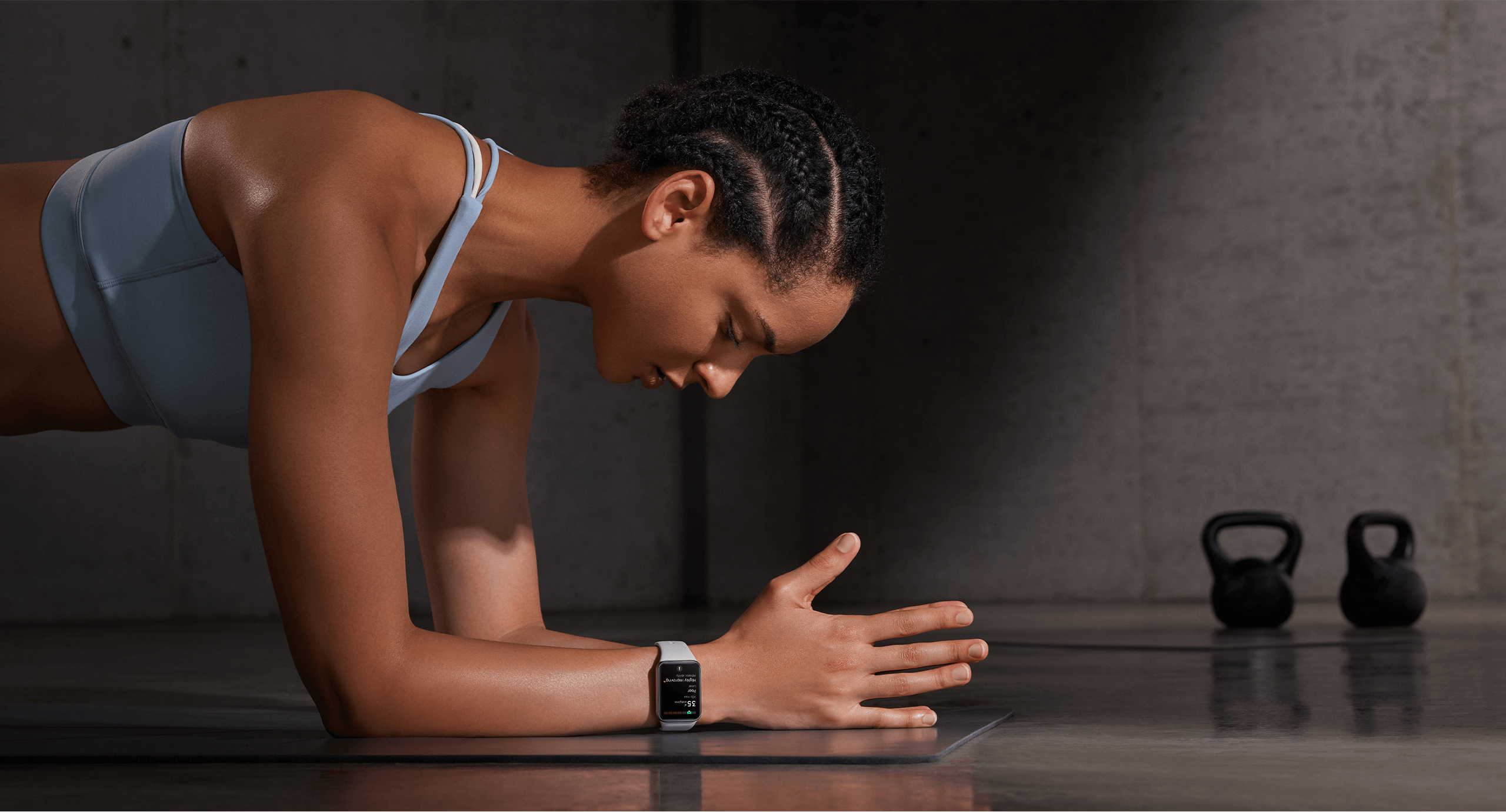
The Smart Band 9 Pro delivers astonishing value for $69. The 1.74-inch AMOLED display is massive for a band – larger than many smartwatches costing twice as much – with vivid colors and excellent outdoor visibility. Built-in GPS, SpO2 monitoring, 150+ sport modes, and up to 21 days of battery life pack flagship-tier features into a budget device.
The display quality alone rivals bands priced at $150+. Workout tracking is comprehensive, covering everything from running and cycling to yoga and strength training. The Mi Fitness app presents your data clearly without paywalls or subscription upsells. For someone buying their first fitness tracker or anyone on a tight budget, this is the obvious choice.
The tradeoffs are real: no ECG sensor, no EDA stress monitoring, and Xiaomi's health ecosystem lacks the polish and depth of Fitbit's or Garmin's platforms. US availability runs through third-party sellers since Xiaomi doesn't officially sell the Smart Band 9 Pro through its US store. And there's no NFC payment support in the US.
But if your priority is getting a capable fitness band for under $100 – and you don't need advanced sensors or a premium ecosystem – the Smart Band 9 Pro is unbeatable. For more options in this price range, see our guide to the best budget wearables under $100.
Amazfit Active 2 – Best Budget Watch Tracker
$99.99
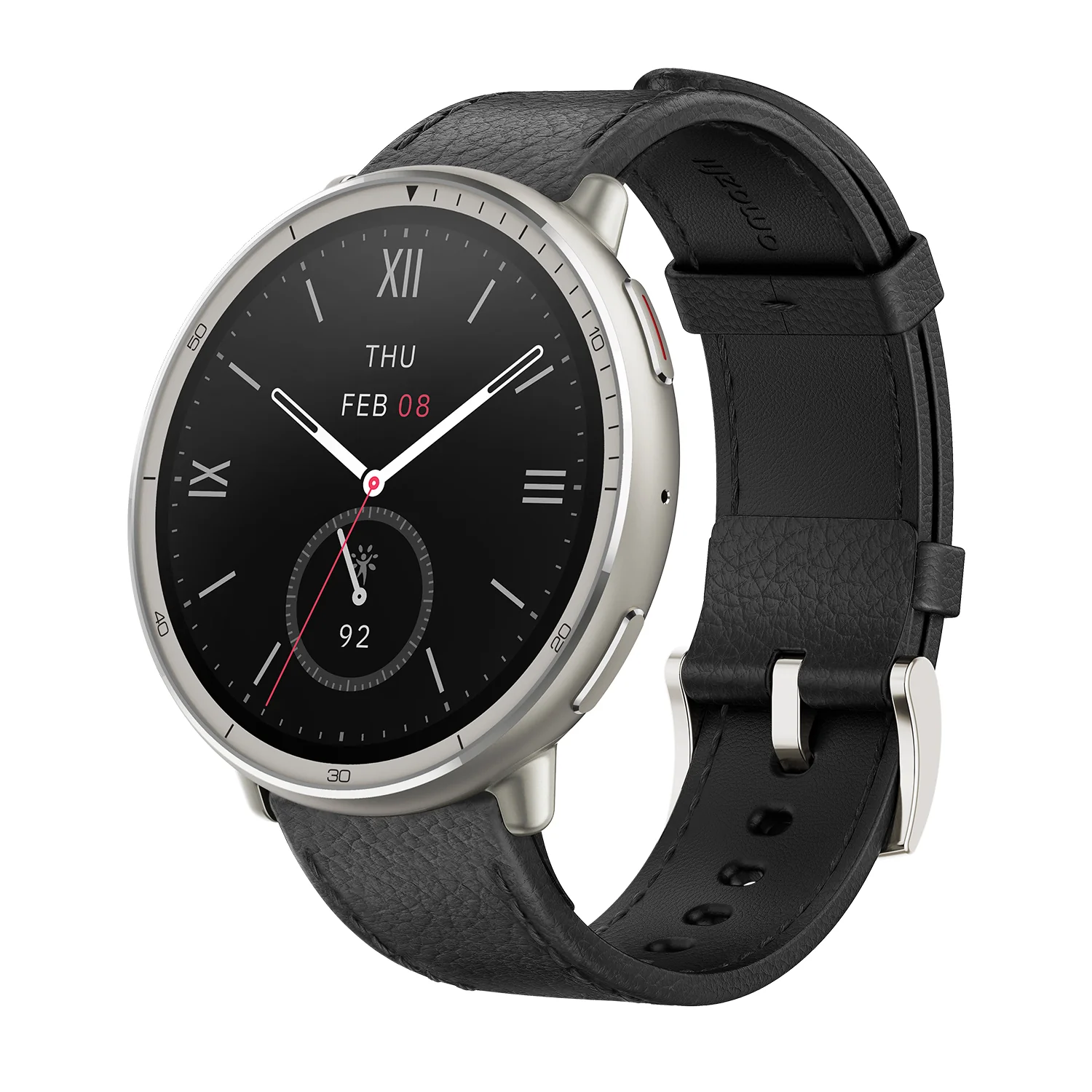
The Active 2 is the best value proposition in fitness tracking. For $99.99, you get offline route navigation – download maps and import routes for turn-by-turn directions without your phone – plus 160+ sport modes, Zepp Coach AI training plans, and external heart rate sensor support via Bluetooth. These are features you'd expect on $250+ Garmin watches, compressed into a $100 device.
The round 1.32-inch AMOLED display looks sharp and vibrant on the wrist. The interface is responsive and intuitive. Battery life stretches to 10 days with typical use, or around 21 hours of continuous GPS tracking. The watch tracks all the core health metrics – heart rate, SpO2, stress, sleep – and delivers them without subscription fees. The Zepp Coach AI adapts training plans based on your fitness level and recovery, a feature that costs extra on other platforms.
The big caveat: the standard $99.99 model has no NFC. If you want Zepp Pay contactless payments, you need the premium model at $129.99. Even then, Zepp Pay works in 33 European countries but is not available in the US. The Zepp app ecosystem is smaller and less mature than Google Fit or Apple Health. And the build quality is plastic – this is a budget watch through and through, not a premium metal device.
But for budget-conscious buyers who prefer a watch form factor over a band, or runners who want offline maps without spending $300+, the Active 2 punches absurdly above its weight class.
Huawei Watch Fit 4 – Best Mid-Range Watch Tracker

$149.99
The Watch Fit 4 hits the sweet spot between a fitness band and a full smartwatch. The dual-frequency GPS (L1+L5) delivers genuinely accurate tracking – your run route stays locked to the actual path, even in urban canyons or dense tree cover. Offline mapping works seamlessly. The 1.82-inch rectangular AMOLED display is bright, responsive, and large enough for glanceable data during workouts.
The comprehensive health suite covers heart rate, SpO2, stress monitoring, and sleep tracking – all accessible without subscription paywalls. Battery life stretches to 10 days with typical use. The watch feels premium on the wrist, with a slim profile that works equally well at the gym or in a business meeting.
Huawei's health platform has matured significantly. The Huawei Health app presents data clearly, offers guided workouts, and syncs with third-party apps via Health Connect. The watch handles everything a dedicated fitness tracker should: accurate activity tracking, reliable heart rate monitoring, actionable sleep insights, and GPS navigation.
The limitation is ecosystem: no third-party app store. You get Huawei's built-in apps and nothing else. No Spotify, no Strava live segments, no third-party watch faces beyond Huawei's store. And Huawei's ecosystem is strongest in Europe and Asia – US buyers miss some regional features and payment options.
But if you want more than a band's limited interface without paying for a full smartwatch, and GPS accuracy matters to you, the Watch Fit 4 is the clear mid-range pick.
Oura Ring 4 – Best Ring Tracker
$349 + $5.99/mo subscription
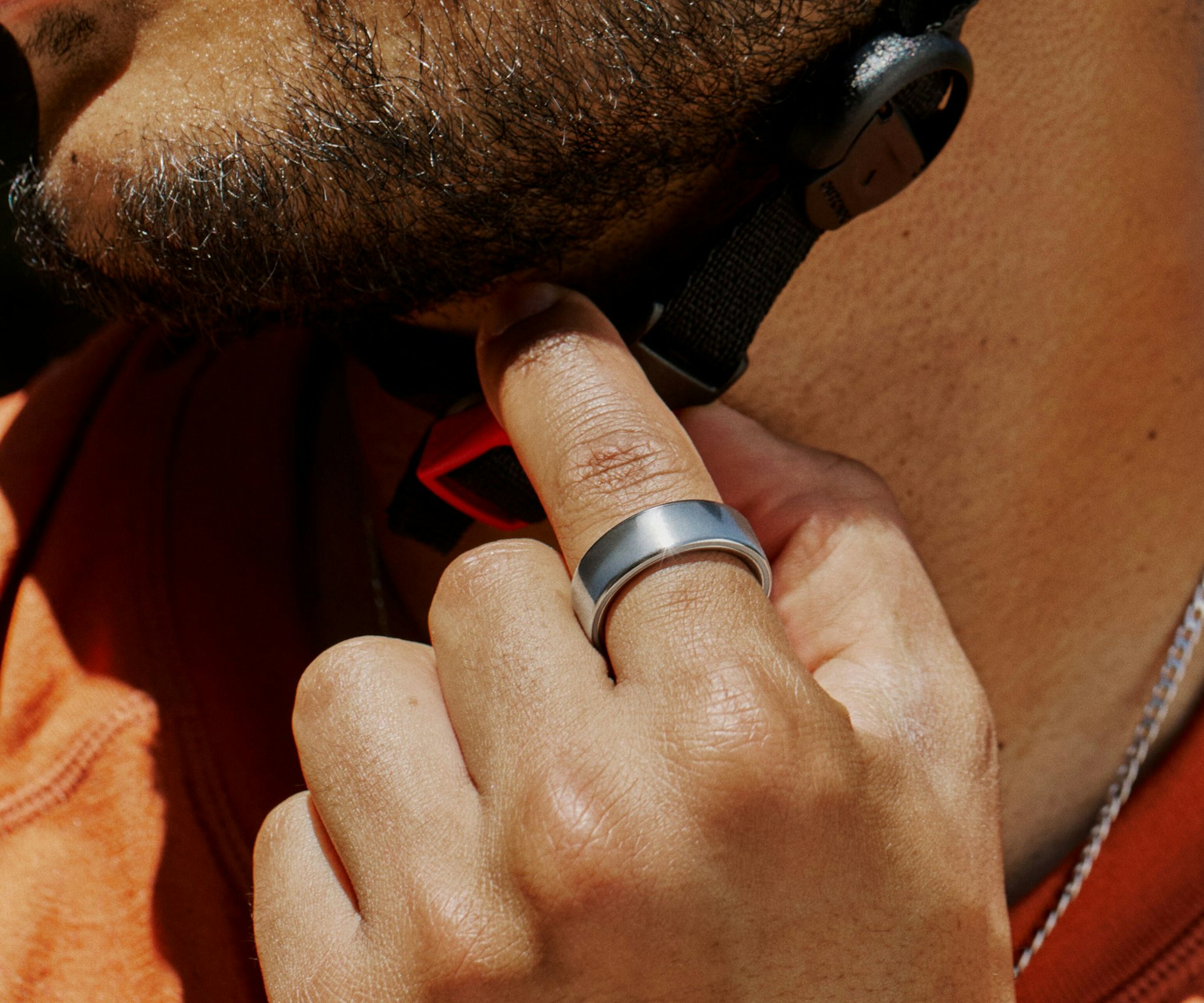
The Oura Ring 4 is the most discreet fitness tracker you can buy – it looks like a simple titanium ring, yet delivers highly accurate temperature and sleep tracking that rivals wrist-worn devices. Its sensors measure heart rate, HRV, respiratory rate, and skin temperature continuously throughout the night. Sleep staging is impressively accurate, and the morning Readiness Score gives you a clear, actionable signal about whether to push hard or take it easy.
The ring excels at cycle tracking, using nightly temperature trends to predict ovulation with a 96.4% detection rate in validation studies. Battery life runs 5-8 days depending on usage. The smart charging case doubles as a portable battery pack. And it genuinely looks like jewelry – you can wear it to formal events without broadcasting that you're tracking biometrics.
The Resilience and Readiness scores are genuinely useful for recovery management. The ring correlates your sleep quality, HRV trends, and activity load to deliver daily guidance that actually improves over time as it learns your baseline.
But the tradeoffs are significant: $5.99/mo subscription required for full features (the free tier is severely limited). There's no real-time heart rate display – the ring is a passive tracker, not a workout companion. No GPS. No screen. No workout tracking beyond step count and automatic activity detection. And the $349 starting price is steep for what's essentially a sleep and recovery tracker.
If you hate wearing anything on your wrist, prioritize sleep and recovery data, or want cycle tracking that actually works, the Oura Ring 4 is unmatched. But it's a complement to active workout tracking, not a replacement.
Whoop 5.0 – Best for Athletes & Recovery
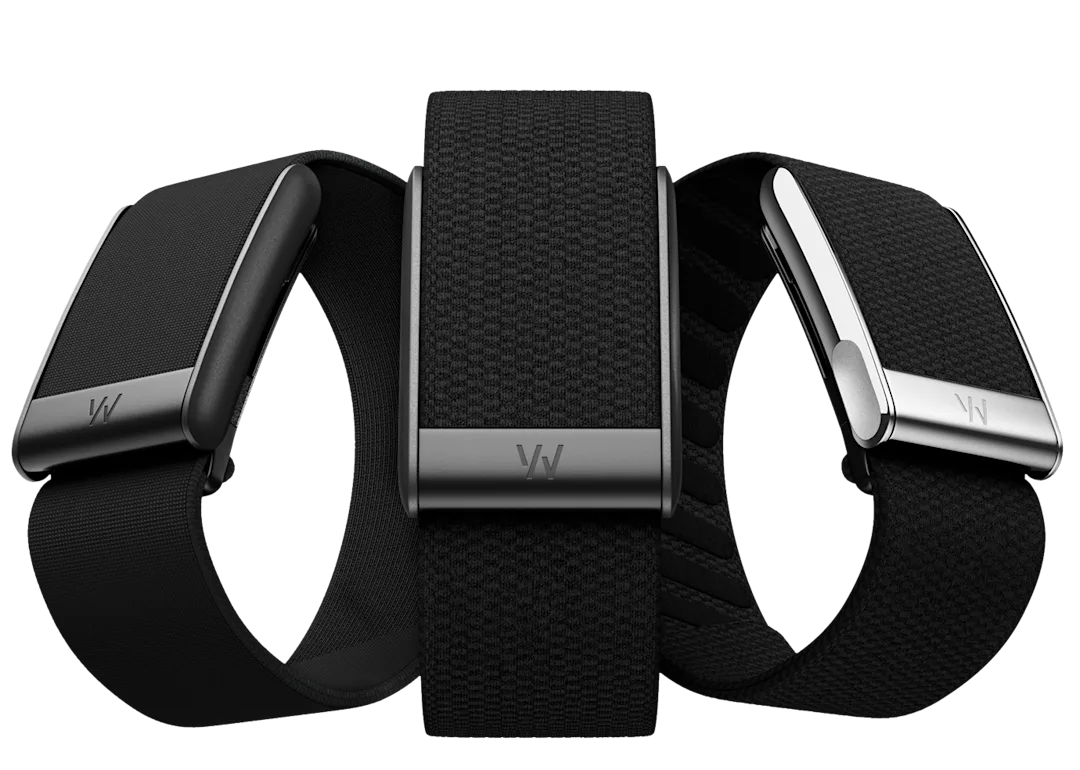
$239/yr (Peak tier, includes device) | $359/yr (Life tier, includes MG device)
Whoop 5.0 delivers the most advanced recovery and strain tracking available. The screenless strap monitors continuous heart rate, HRV, skin temperature, and respiratory rate 24/7, feeding all that data into daily Strain, Recovery, and Sleep scores. The coaching is legitimately useful: it tells you when to push hard, when to dial back, and how much sleep you need tonight based on your recovery debt.
The Journal feature tracks 140+ habits – alcohol, caffeine, supplements, stress levels, meal timing – and correlates them with your performance metrics. Over time, you see exactly how that late-night whiskey or skipped stretching session impacts your HRV and recovery. For serious athletes, this is data you can't get anywhere else.
The lack of a screen is intentional: no distractions, just data-driven coaching. You charge the device without taking it off using the battery pack that slides over the strap. The form factor disappears during workouts, sleep, and daily life.
But the subscription model is divisive: you never own the hardware outright. The Peak tier costs $239/year and includes the Whoop 5.0 device. The Life tier costs $359/year and includes the Whoop MG device with ECG and beta blood pressure monitoring. If you stop paying, the device stops working. There's no GPS – Whoop uses your phone's GPS during runs. And the value proposition only makes sense if you actually follow the coaching and adjust your training based on the insights.
For CrossFit enthusiasts, serious runners, triathletes, and recovery-obsessed individuals who want actionable daily guidance on training load, Whoop 5.0 is unmatched. For casual users, the subscription cost and lack of screen make it a hard sell.
Garmin Lily 2 Active – Best for Style
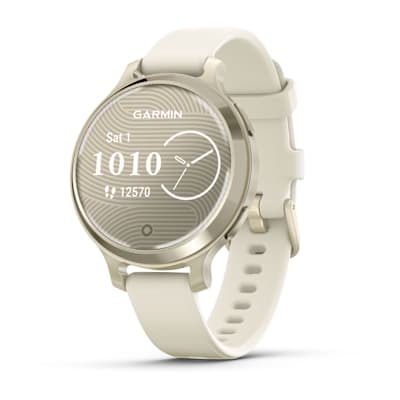
$299.99
The Lily 2 Active is the only fitness tracker that genuinely looks like jewelry. The patterned lens conceals the display until you tap or tilt your wrist – when inactive, it looks like a decorative watch face, not a tech device. This is the tracker you can wear to a wedding or formal dinner without feeling like you're broadcasting your fitness obsession.
The upgrade to built-in GPS is massive – the original Lily required phone connection for GPS tracking. Body Battery energy monitoring learns your baseline and tells you when you're running low on reserves. Sleep tracking is comprehensive, with sleep stages and morning recovery insights. Battery life stretches to 9 days with typical use, or around 9 hours of GPS tracking. Garmin Pay via NFC lets you tap to pay from the wrist, and music controls manage playback on your paired phone.
The compact case is designed for smaller wrists and feels comfortable during 24/7 wear. Garmin's health platform is mature and reliable – the Connect app presents your data clearly, and the ecosystem integrates with Strava, MyFitnessPal, and other third-party platforms.
But $299.99 is expensive for the feature set you're getting. The small display is beautiful for glancing at notifications, but genuinely hard to read during data-heavy workouts. And while Garmin Connect is powerful, casual users might find it overwhelming.
For fashion-conscious buyers – particularly women – who want fitness tracking without the tech-bro aesthetic, the Lily 2 Active is the clear choice. For more options, see our best smartwatches for women guide. You're paying a premium for the design, but it's the only tracker that genuinely disappears into your style.
Who Should Buy What
If you want a traditional fitness band: Get the Fitbit Charge 6 if you value ecosystem maturity and Google integration, or the Xiaomi Smart Band 9 Pro if budget is the priority.
If you prefer a watch form factor on a budget: The Amazfit Active 2 is unbeatable at $99.99, especially for runners who want offline maps.
If you want GPS accuracy and mid-range value: The Huawei Watch Fit 4 delivers dual-frequency GPS and offline maps at $149.99.
If you hate wrist-worn devices: The Oura Ring 4 is the only discreet option worth buying, despite the subscription cost.
If you're a serious athlete obsessed with recovery: Whoop 5.0 delivers data and coaching you can't get elsewhere, but only if you'll actually follow the guidance.
If style matters as much as fitness: The Garmin Lily 2 Active is the only tracker that looks like jewelry, though you pay a premium for the design.
How We Chose
We evaluated 15+ fitness trackers across five core criteria:
Tracking accuracy mattered most. We compared heart rate, sleep, and activity metrics against gold-standard chest straps and medical-grade devices. Devices that consistently drifted from reference data didn't make the cut.
Value for money factored in both upfront price and ongoing costs. We explicitly penalized devices that gate core features behind subscription paywalls, and rewarded trackers that deliver everything upfront.
Battery life needed to match real-world use cases. A tracker that dies mid-run isn't useful, no matter how accurate its sensors. We prioritized devices with enough battery to last through typical weekly routines.
Comfort and wearability determined whether you'd actually wear the device 24/7. The best tracker is the one you forget you're wearing. Bulky devices, scratchy straps, and heavy bezels got knocked down.
Ecosystem maturity covered app quality, data insights, and third-party integrations. A great device with a terrible app delivers a terrible experience. We favored platforms with clear data presentation, actionable insights, and compatibility with third-party services.
What To Avoid
Hume Band ($299): Newer entrant with limited Tier 1 tech press coverage and premium pricing. The company has a growing user base, but lacks the track record of established brands like Fitbit or Garmin. Worth monitoring as the platform matures.
Polar Loop ($199): We scored it 67/100. The hardware shows promise, but the software feels unfinished and the value proposition is questionable at $199. Wait for software updates and price drops.
Samsung Galaxy Ring ($399.99): We scored it 72/100. The core fitness tracking is weak for a $400 device, and an active ITC complaint by Oura for patent infringement may affect long-term US availability. Samsung has delayed the Galaxy Ring 2, with no planned 2026 Unpacked appearance and likely launch in late 2026 or 2027, signaling uncertainty about the product line.
Ultrahuman Ring Air: Banned from the US market since October 2025 due to an ITC ruling. Cannot recommend a device you can't legally purchase.