
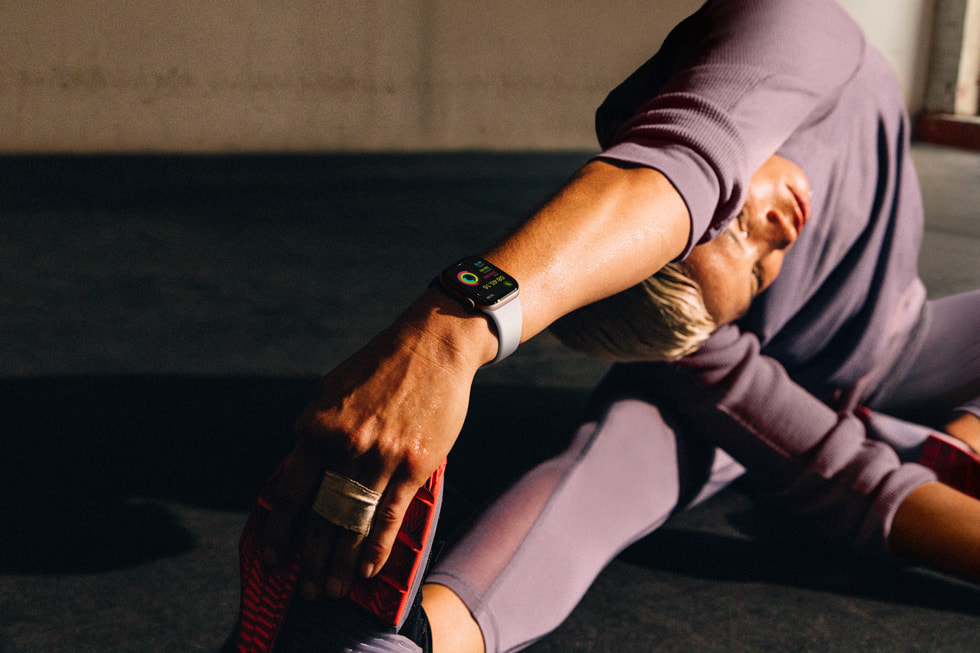
The Apple Watch Series 10 arrived in September 2024 with Apple's boldest claim in years: this was the biggest redesign since the original. But strip away the marketing speak, and you're left with a fundamental question: does a thinner case and larger screen really constitute a generational leap, or is this just another incremental update dressed up for the anniversary?
The Series 10 is an evolution, not a revolution–but it's Apple's clearest vision yet of what a mainstream smartwatch should be: thinner, lighter, more wearable.
Design & Build
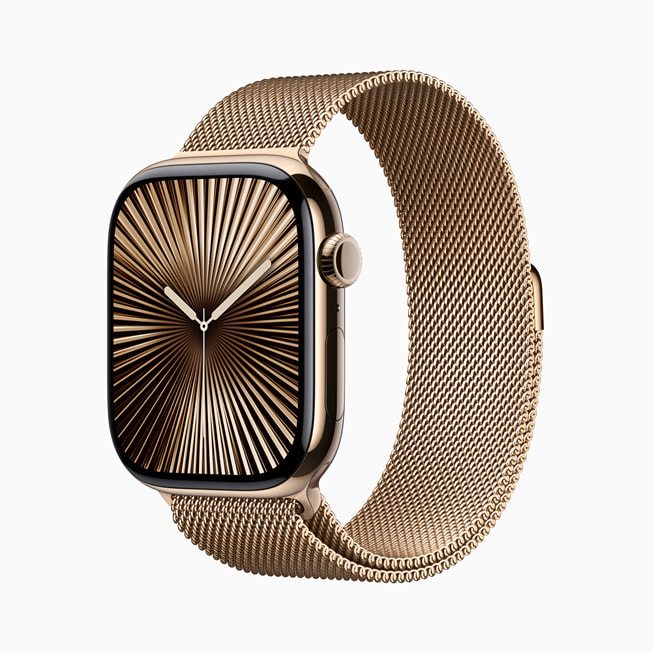
The most immediate difference is how the Series 10 feels on your wrist. At just 9.7mm thick, it's nearly 10% thinner than the Series 9, and the weight reduction is immediately noticeable. The 42mm aluminum GPS model weighs just 30g, while the 46mm version comes in at 36.4g. The 42mm aluminum GPS+Cellular model weighs just 29.3g. If you opt for titanium–now available in natural, gold, and slate finishes–you trade a few grams for a premium brushed finish, with the 42mm titanium GPS+Cellular coming in at 34.4g.
This isn't just spec-sheet bragging. The slimmed-down profile translates to genuine all-day comfort. The watch slides easily under jacket cuffs, doesn't snag on clothing, and stays put during workouts without the uncomfortable sliding that plagued larger models. For the first time, Apple has created a watch that feels closer to traditional timepiece territory than wrist-mounted computer.
The new jet black aluminum finish adds a premium touch, though it's worth noting this is polished rather than the matte finishes we've seen before. The titanium options maintain that aerospace-grade brushed look that's become synonymous with Apple's premium tier.
Display
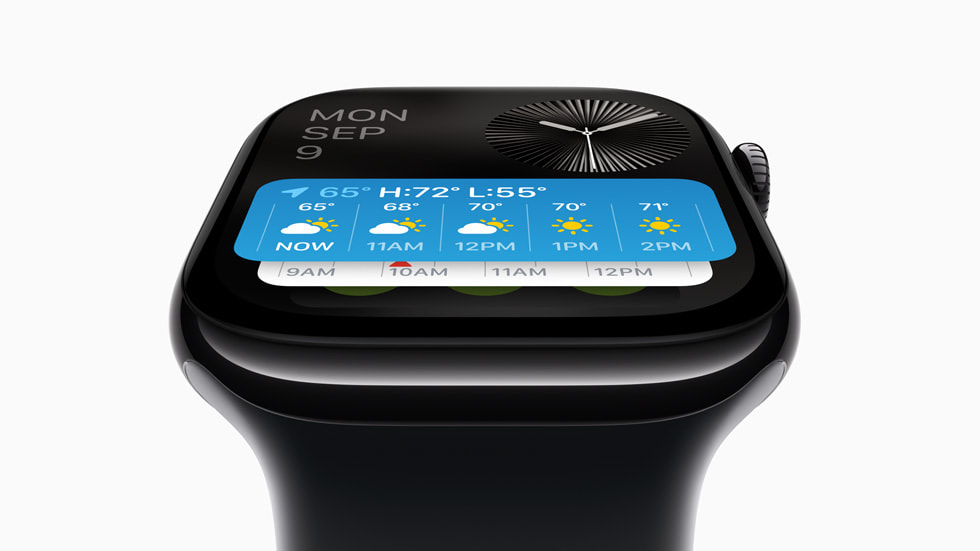
The screen is where Apple's "bigger is better" philosophy really shows. The 42mm model sports a 374 x 446 pixel display (989 sq mm), while the 46mm jumps to 416 x 496 pixels (1220 sq mm). That's actually 3% larger than the Apple Watch Ultra 2, packed into a significantly smaller case.
But the real innovation isn't size–it's the new wide-angle OLED technology. This is Apple's first device to use this display tech, and it makes a tangible difference. The screen is 40% brighter when viewed at an angle compared to the Series 9, which means you can actually read notifications or check the time with a quick wrist glance rather than raising your arm to eye level.
The always-on display now shows a ticking second hand that updates once per second at 1Hz, whereas previous models updated complications only once per minute when the display was dimmed. It's a small detail that makes the watch feel more like an actual timepiece than a mini-screen.
Maximum brightness hits 2000 nits, ensuring perfect visibility in direct sunlight, while the minimum drops to just 1 nit for comfortable nighttime viewing. The LTPO3 OLED technology manages power efficiently enough to maintain these capabilities without sacrificing battery life.
Performance & Features
The S10 SiP (System in Package) powers the experience with a built-in 4-core Neural Engine and 64GB of storage. Day-to-day performance is snappy–apps launch instantly, complications update in real-time, and there's no lag when switching between functions.
watchOS 11 brings several meaningful improvements. Training load monitoring helps you understand whether you're pushing too hard or taking it too easy. Vitals tracking aggregates your key health metrics each morning, flagging outliers that might indicate illness or overtraining. Rest day tracking acknowledges that recovery matters as much as activity.
The headline health feature is sleep apnea detection, which uses the accelerometer to detect breathing disruptions throughout the night. After 30 days of data collection, the watch can notify you of potential sleep apnea. This isn't a gimmick–it's FDA-cleared and was validated in the largest study ever conducted for FDA clearance of a sleep apnea device (1,448 participants), using accelerometer data to detect breathing disturbances during sleep. For the millions of people with undiagnosed sleep apnea, this could be genuinely life-changing. Note that the feature is designed for users 18 and older who haven't been previously diagnosed–it's a screening tool, not a diagnostic device.
There's a notable absence, though: blood oxygen monitoring is disabled in the US due to ongoing patent litigation with Masimo. The hardware sensors remain present, but the functionality is software-locked. This feature works internationally, but American buyers miss out on a capability that was standard on previous models.
New for water enthusiasts are the Depth and Tides apps. The watch can measure depths up to 6 meters (20 feet) while maintaining its 50-meter water resistance rating. It also tracks water temperature, making it useful for snorkeling and casual swimming.
Perhaps the most unexpectedly impressive feature is voice isolation on phone calls. Using a neural network, the watch separates your voice from background noise with shocking effectiveness. You can take calls from concerts, busy streets, or windy outdoor environments and still be heard clearly. It's the kind of feature that sounds incremental in a spec list but proves transformative in daily use.
For the first time, the built-in speaker can play media. Forget your AirPods? You can still stream podcasts or music directly from the watch. Audio quality won't blow you away, but it's perfectly serviceable for quick listening.
Health & Fitness
The sensor suite includes everything you'd expect: electrical heart sensor (for ECG), third-generation optical heart sensor, accelerometer, gyroscope, always-on altimeter, compass, and temperature sensor. GPS pulls from L1 satellites across GPS, GLONASS, Galileo, QZSS, and BeiDou systems for accurate position tracking.
Heart rate accuracy during workouts holds up well against chest straps, with no statistically significant difference during running and cycling. The watch handles interval training smoothly, catching rapid heart rate changes without the lag that plagued earlier models.
Workout tracking covers all the basics–running, cycling, swimming, strength training, yoga, and more. Apple isn't trying to compete with Garmin's depth of sports-specific features, but it covers the majority of use cases for recreational athletes. You get route tracking, pace alerts, heart rate zones, and automatic workout detection.
The always-on altimeter proves useful for hiking and stair climbing, while the compass provides accurate heading information. Water temperature and depth sensors expand the watch's utility for water sports, though serious divers will still want dedicated equipment.
Battery Life
This is where expectations need to stay grounded. Apple claims up to 18 hours of normal use, which translates to roughly one full day with a workout and sleep tracking enabled. Heavy users might find themselves charging by evening.
The improvement comes in charging speed. Fast charging takes the watch from 0% to 80% in just 30 minutes, and a 15-minute charge provides about 8 hours of use. This means you can top up quickly while showering or getting ready in the morning.
Low Power Mode extends battery to 36 hours by disabling the always-on display and limiting background sensor activity. It's a useful fallback for long days, but you'll miss features you've come to expect.
For comparison, the Apple Watch Ultra 2 offers 36 hours of normal use, and serious sports watches like Garmin's Fenix models measure battery life in weeks. If multi-day battery life matters to you, the Series 10 isn't your watch.
Who It's For
The Series 10 makes the most sense for:
- Series 7 or earlier owners ready for a meaningful upgrade. The cumulative improvements in display, performance, and health features add up to a compelling package.
- First-time Apple Watch buyers who want the best current experience. This is the most refined mainstream Apple Watch ever made.
- iPhone users prioritizing health and fitness tracking without needing extreme durability or multi-day battery life.
- Anyone who found previous models too bulky. The thinner, lighter design genuinely improves wearability.
Who Should Skip
You can probably skip the Series 10 if:
- You own a Series 9 or Ultra model. The improvements are real but incremental. Unless you specifically want the thinner design or sleep apnea detection, you're not missing much.
- You need multi-day battery life. Daily charging is non-negotiable with the Series 10.
- You want blood oxygen monitoring in the US. This feature remains disabled due to legal issues.
- You're a serious endurance athlete. Garmin's sports-focused watches offer deeper analytics and much longer battery life.
The Verdict
The Apple Watch Series 10 earns its place as the best mainstream smartwatch for iPhone users, but it does so through refinement rather than revolution. The thinner design and larger display aren't just marketing fluff–they genuinely improve the daily experience. Voice isolation, sleep apnea detection, and faster charging add meaningful capabilities. Performance is excellent, the health and fitness tracking is reliable, and the ecosystem integration with iPhone remains unmatched.
But this is still fundamentally the same Apple Watch experience we've known for years, just in a sleeker package. Battery life remains a daily concern. The missing blood oxygen feature in the US is frustrating. And if you're coming from a recent model, the upgrade path is harder to justify.
Score: 85/100
Scoring Breakdown: - Core Function (30%): 28/30 – Excellent health and fitness tracking, comprehensive sensors, reliable performance. Minor deduction for disabled blood oxygen in US. - Build Quality (15%): 14/15 – Premium materials, refined design, excellent comfort. Slightly less durable than Ultra models. - User Experience (20%): 18/20 – Seamless iPhone integration, intuitive interface, improved display. Learning curve for new users. - Value (20%): 13/20 – Fairly priced at $399-$429 for GPS models, but daily charging and incremental improvements over Series 9 limit value proposition. - Battery (15%): 12/15 – Fast charging helps, but 18-hour battery life remains limiting. Good for daily use, frustrating for extended activities.
The Apple Watch Series 10 is the best version of what Apple's been building for a decade. Whether that's enough depends on what you're upgrading from–and whether you can live with charging every night.